Imagine waking up every morning feeling sluggish, heavy, and a little foggy—like your body is working through molasses. You eat “pretty healthy,” but something still feels off. Then one day, your doctor tells you the words that make your stomach drop: fatty liver.
The shocking part? You don’t have to be overweight, drink alcohol, or eat junk all day for it to happen. Non-alcoholic fatty liver disease (NAFLD) affects more than 1 in 3 adults in the U.S., and most people have no idea their liver is under attack.
But here’s the good news: food can be your most powerful weapon. Not just any food—but five specific ones that research suggests may help your liver clear out excess fat naturally. And no, it’s not another bland “eat your greens” list. These foods are the bomb—rich in flavor, vibrant in color, and loaded with compounds your liver loves.
So, what are they? Keep reading, because the best one comes last.
Why Fat in the Liver Is So Dangerous
Your liver isn’t just another organ—it’s your body’s chemical factory, filtering toxins, breaking down fat, and managing hundreds of processes that keep you alive. But when fat starts to build up inside it, that’s when the trouble begins.
Too much fat in the liver can cause inflammation, leading to scarring (fibrosis) or even cirrhosis over time. The real problem? You often won’t feel it happening. There’s no pain, no swelling—just a slow, silent decline.
If you’ve ever felt tired for no reason, had a bloated belly, or struggled to lose weight even on a diet, your liver might be whispering for help.
Now, let’s turn the spotlight on the five foods that could give your liver the reboot it’s been waiting for.
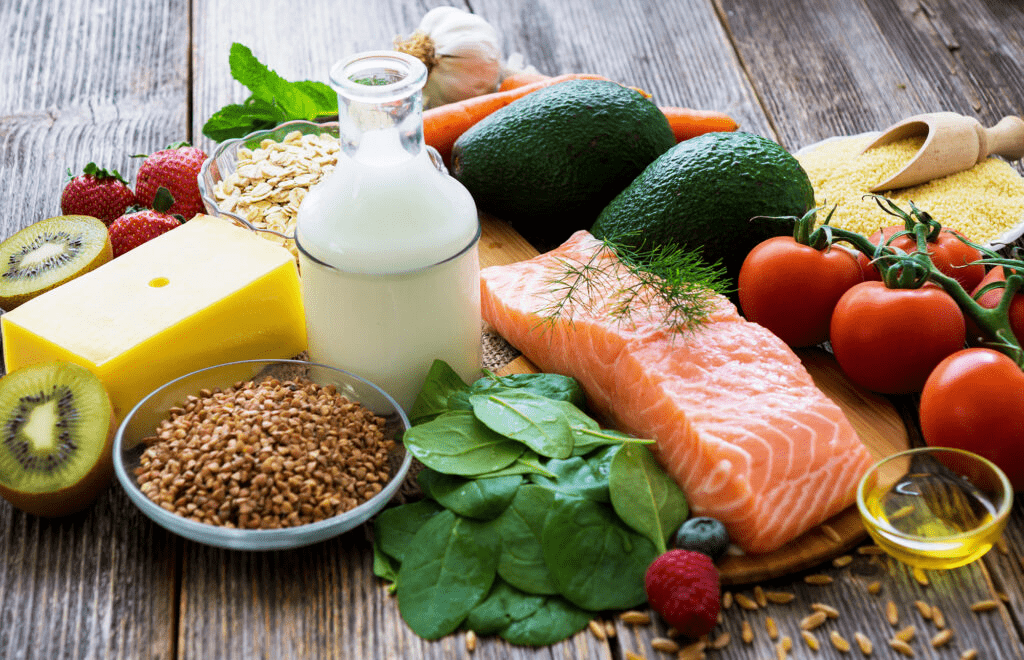
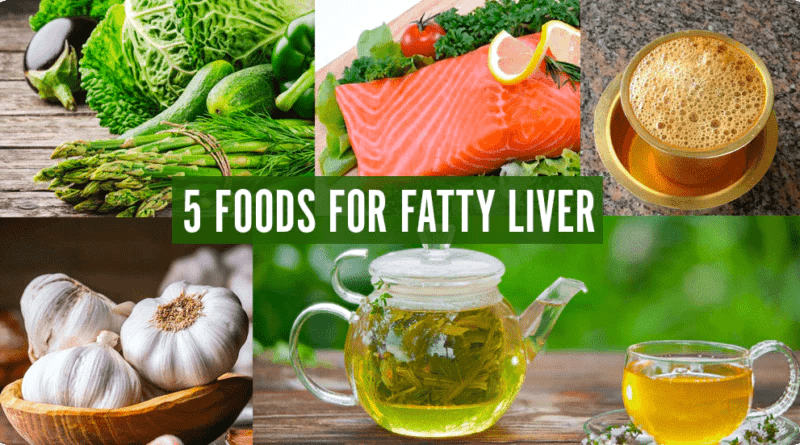
5 Foods That Blast Fat From the Liver
1. Coffee — The Unexpected Hero
It’s 7 a.m. You pour that first, aromatic cup—the steam rising, the scent wrapping around you like comfort. You might not realize that your daily ritual could be protecting your liver.
Studies suggest coffee drinkers have up to 70% lower risk of liver disease progression. The secret lies in antioxidants and compounds like cafestol and kahweol, which may help reduce inflammation and fat buildup.
And if you’re thinking, “But isn’t coffee bad for my heart?”—moderate coffee (2–3 cups daily) is generally considered safe for most adults.
Taste tip: Try black coffee or with a splash of oat milk. Skip the sugar bombs—they undo the magic.
But coffee is just the beginning. The next one tastes even better and works deep in your cells.
2. Fatty Fish — Omega-3s to the Rescue
When Mark, 52, switched from red meat to salmon twice a week, he didn’t expect much. Three months later, his bloodwork told a different story—his triglycerides dropped, and his liver enzymes began to normalize.
Fish like salmon, sardines, and mackerel are rich in omega-3 fatty acids, which can help reduce liver fat, inflammation, and insulin resistance.
What makes them “the bomb”? They help your body burn fat instead of storing it—exactly what your liver needs.
Cooking idea: Grill with lemon and herbs or bake with olive oil and garlic for a flavor your body (and liver) will thank you for.
But hold on—the third one might already be in your kitchen and can literally melt liver fat when used right.
3. Olive Oil — Liquid Gold for Your Liver
You drizzle it on salads. You cook with it. But do you know it could be your liver’s best friend?
Extra virgin olive oil is packed with polyphenols—natural antioxidants that help protect liver cells and reduce inflammation. One study found that participants who consumed olive oil daily showed improved liver enzyme levels and less fat accumulation.
Here’s a simple trick: swap butter or margarine for olive oil in your daily meals. It’s a small change that might have a huge impact over time.
And yet, there’s one food that’s even more surprising—tiny, colorful, and bursting with life.
4. Berries — Tiny But Mighty
Meet your sweet weapon: blueberries, raspberries, and cranberries. They’re small, but they pack a punch.
These fruits are rich in anthocyanins, the pigments that give them their deep color—and may help prevent fat from accumulating in your liver. They also fight oxidative stress, one of the biggest enemies of liver cells.
Snack idea: Add a handful to your morning oatmeal or yogurt. Or freeze them for a refreshing, guilt-free dessert.
You might be thinking, “Can something so simple really work?” Studies show that people who regularly eat berries have better liver enzyme profiles.
But don’t stop here—the last food could change your relationship with fat forever.
5. Green Tea — The Detox Powerhouse
Picture this: a warm mug, a faint earthy aroma, and the calm that follows your first sip. Green tea isn’t just relaxing—it’s loaded with catechins, plant compounds that may help your liver process fat more efficiently.
Research has shown that regular green tea drinkers often have less abdominal fat and lower liver fat. Catechins may also improve blood sugar levels, reducing the burden on your liver.
Tip: Brew it gently (not boiling water!) to preserve its delicate antioxidants.
And remember—while green tea helps, bottled “sweet teas” packed with sugar do the opposite.
Quick Comparison: Why These Foods Matter
| Food | Key Compound | Potential Liver Benefit | Easy Way to Use |
|---|---|---|---|
| Coffee | Cafestol, Kahweol | Supports fat metabolism | 2–3 cups daily |
| Fatty Fish | Omega-3s | Reduces inflammation | Grilled or baked |
| Olive Oil | Polyphenols | Lowers liver fat | Replace butter |
| Berries | Anthocyanins | Fights oxidation | Fresh or frozen |
| Green Tea | Catechins | Boosts fat processing | Brew daily |
But knowing what to eat is only half the story. How you use them matters even more.
How to Make These Foods Work for You
Here’s a simple 5-step guide to integrate them safely:
- Start small. Swap one processed snack for a handful of berries.
- Be consistent. Benefits build over time—your liver loves routine.
- Hydrate. Water supports every detox process in your body.
- Watch portion sizes. Even healthy fats have calories.
- Pair with movement. A 20-minute walk can enhance liver fat metabolism.
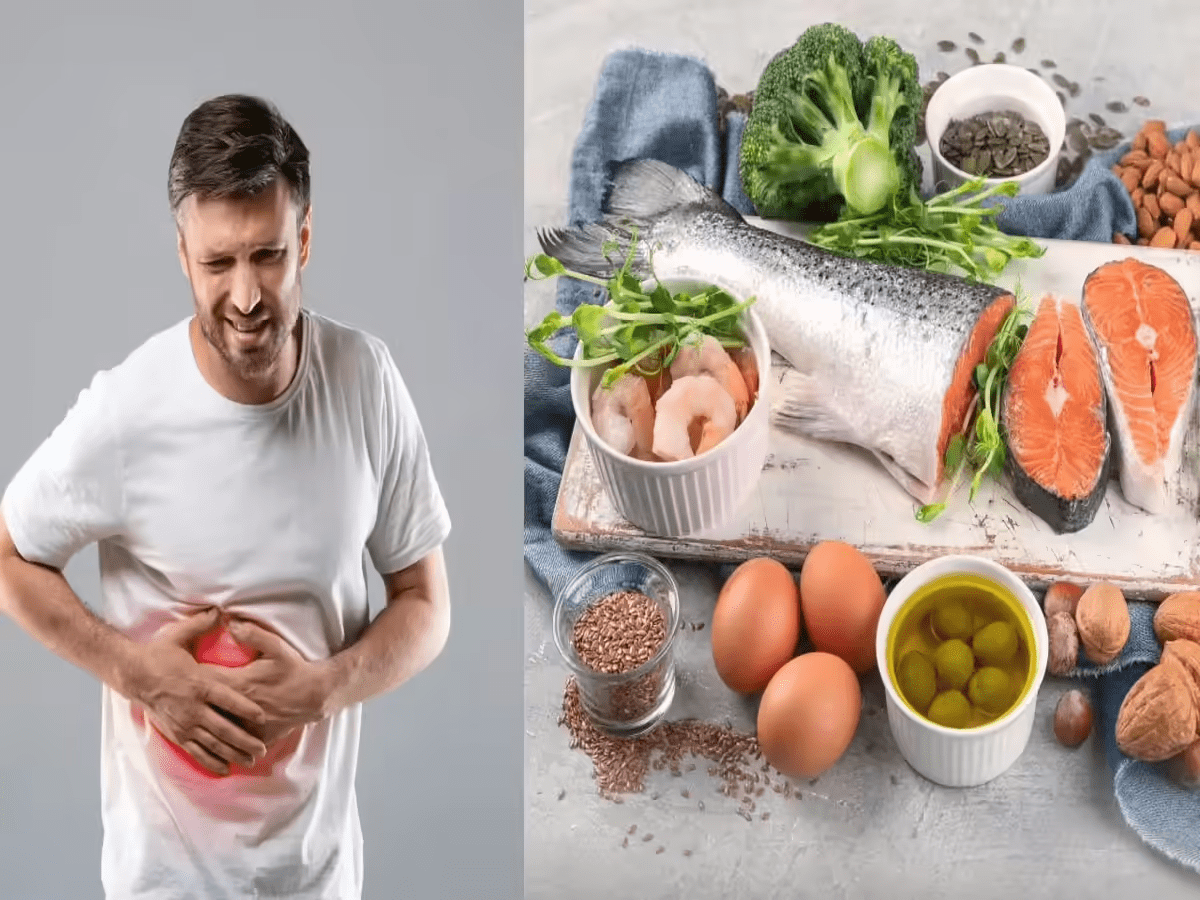
Table: Usage & Safety Tips
| Category | Recommended Use | Caution |
|---|---|---|
| Coffee | 2–3 cups daily | Avoid late-night caffeine |
| Fatty Fish | 2–3 servings weekly | Choose low-mercury options |
| Olive Oil | 1–2 tbsp/day | Don’t fry at high heat |
| Berries | ½ cup daily | Limit added sugars |
| Green Tea | 1–2 cups/day | Avoid on empty stomach if sensitive |
Now, you might wonder—can these really reverse liver fat completely?
The honest answer: no food alone is a miracle. But combined with lifestyle changes, these foods can help your liver heal itself, step by step. The body has a remarkable ability to regenerate—if you give it the right tools.
Real Stories, Real Change
Case 1: Mark, 52
After years of late-night pizza and soda, Mark’s doctor warned him of fatty liver. Within six months of adding salmon, green tea, and olive oil, his energy soared. “I didn’t realize how bad I felt until I felt good again,” he said.
Case 2: Lila, 48
Lila started replacing her afternoon soda with coffee and green tea. She lost 12 pounds, her skin cleared up, and her bloating disappeared. Her secret? “Consistency—not perfection.”
These stories remind us: change doesn’t have to be radical. It just has to start.
Could This Be the Beginning of Your Liver Comeback?
Ask yourself:
- Do you often feel bloated or tired after meals?
- Are you taking care of your liver the way it takes care of you?
- What would it feel like to wake up energized again?
If the thought excites you, your next meal is the perfect place to begin.
The Takeaway
Your liver doesn’t need another detox. It needs nourishment, consistency, and a few scientifically-backed allies—like the five foods you just discovered.
So, tomorrow morning, as you sip your coffee or drizzle olive oil over your salad, remember: every bite can be an act of healing.
Because when your liver is happy, everything else—from your energy to your skin—starts to glow.
P.S. Most people never realize that the liver can repair itself faster than almost any organ in the body. Give it the right foods, and it just might surprise you.
This article is for informational purposes only and does not replace professional medical advice. Always consult your healthcare provider for personalized guidance.
Nhận xét
Đăng nhận xét