Imagine this: you wake up feeling light, energized, and ready for the day. No heaviness in your chest, no tingling in your feet, no fog clouding your mind. Your heart feels strong, your energy steady. Sounds impossible after 40? Maybe not. What if the secret isn’t in a new pill or strict diet but in a few overlooked vitamins that could help your arteries stay flexible and clear?
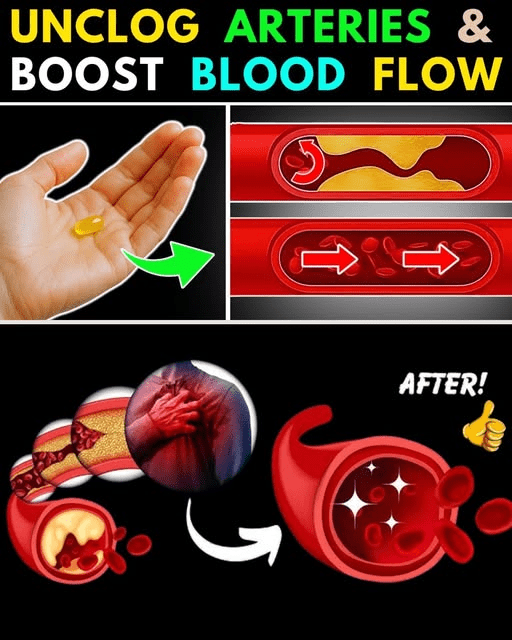
Let’s dive in because what you’re about to discover may change how you think about heart health forever.
The Hidden Traffic Jam Inside Your Body
Every second, your arteries carry a life-giving river of blood. But when these vessels get clogged with plaque — a mix of fat, calcium, and cholesterol — that river slows. You may not feel it at first. A little fatigue. Cold hands. Brain fog. But then it hits: shortness of breath on the stairs, a pounding heart after dinner, or worse — a silent buildup leading to a heart event.
Scary? It should be. The CDC estimates that more than 11 million Americans live with narrowed arteries without knowing it.
And yet, here’s the twist: researchers are uncovering how certain vitamins might support blood flow and help arteries function at their best.
But before we reveal them, let’s answer one burning question…
Can You Really “Clean” Your Arteries?
Not in the way a drain cleaner works, of course. There’s no instant fix. But your body can repair itself if you give it the right tools.
Studies suggest that nutrients can support nitric oxide production, reduce oxidative stress, and promote healthy circulation. In plain English? They help your blood move freely, keeping oxygen flowing where it’s needed most.
Ready to find out which ones work best?
Let’s count down the 7 vitamins that could supercharge your blood flow — and the surprising stories behind them.
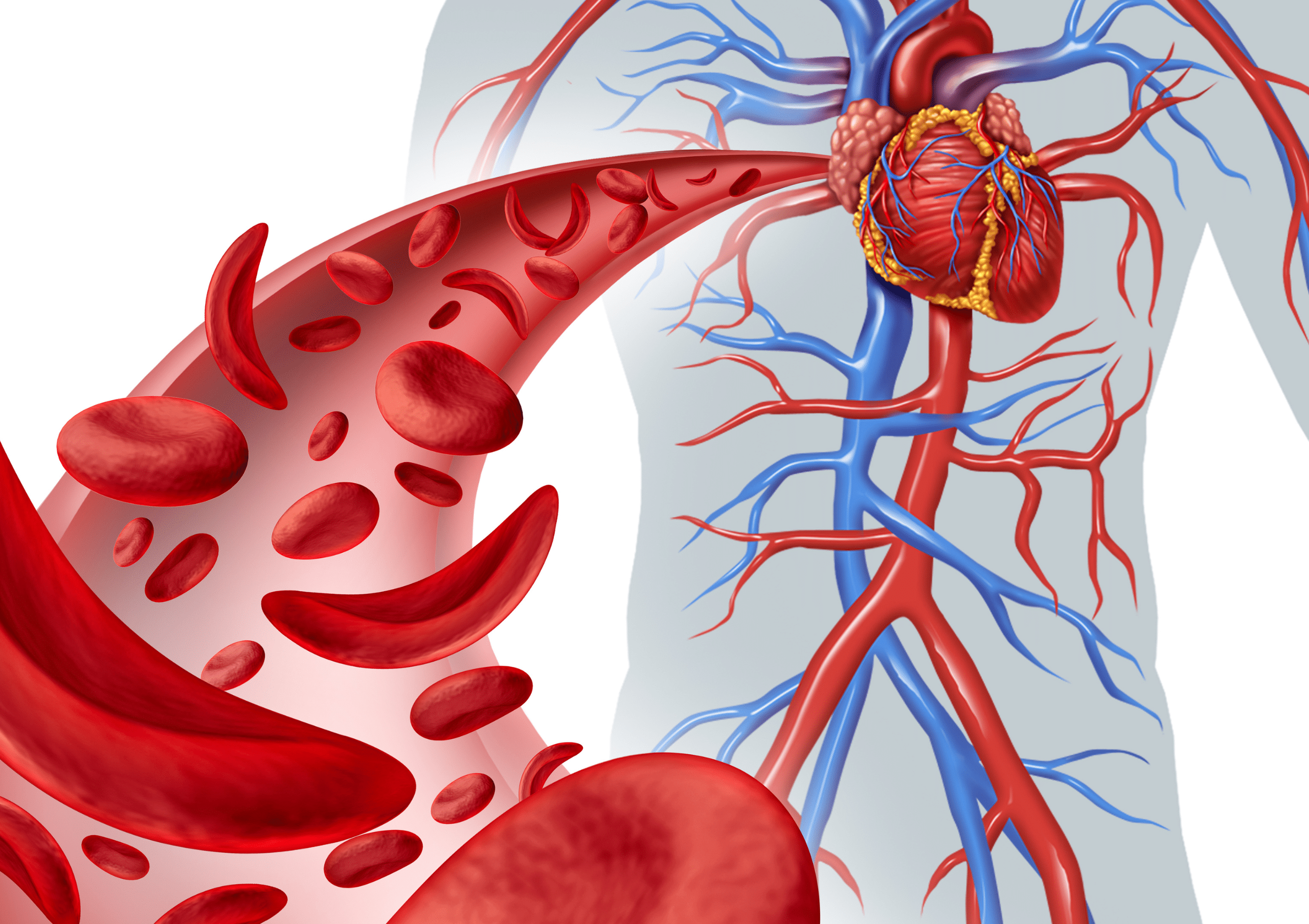
7. Vitamin C – The Bright Start to Better Flow
It started with Karen, 52, a teacher who couldn’t shake her afternoon fatigue. After adding more vitamin C–rich foods — oranges, bell peppers, and kiwi — she noticed something: her hands felt warmer, her energy steadier.
That’s no coincidence. Vitamin C supports collagen in blood vessel walls, helping them stay flexible. It also acts as an antioxidant, reducing the oxidative stress that can stiffen arteries.
Best sources: citrus fruits, strawberries, broccoli.
Quick tip: try squeezing lemon into your water daily — small changes add up.
But Karen’s story doesn’t end there… because her next discovery was even more powerful.
6. Vitamin D – The Sunshine Multiplier
Karen’s doctor found her vitamin D levels were low — a common issue for those over 45. Once she began gentle sun exposure and supplementation, her blood pressure readings improved.
Research suggests vitamin D supports the smooth muscle cells in arterial walls, helping them stay relaxed. Low levels are linked with poor vascular health — especially in winter months.
Sun tip: 15 minutes of morning sun may boost your mood and circulation.
And if you think that’s interesting, wait until you hear what happens when you pair D with the next one.
5. Vitamin K2 – The Silent Artery Protector
This one is often missed — but may be a game changer.
Vitamin K2 helps guide calcium where it belongs: into your bones, not your arteries. Without it, calcium can build up in vessel walls, making them stiff.
In one Dutch study, adults who consumed more K2 had 50% fewer signs of arterial calcification.
Found in: fermented foods like natto, certain cheeses, and egg yolks.
Think of it as your artery’s GPS — guiding nutrients safely, so blood keeps flowing smoothly.
But that’s only half the story. Because your arteries need fuel, too.
4. Vitamin B3 (Niacin) – The Flow Booster
John, 58, a retired firefighter, struggled with cold feet and restless nights. His doctor suggested niacin, known for its ability to support healthy cholesterol levels and promote circulation.
Within weeks, John described a subtle warmth returning to his toes — and a feeling of vitality he hadn’t felt in years.
Niacin may expand blood vessels by increasing nitric oxide, improving oxygen delivery throughout the body.
Note: start slow — high doses can cause a harmless “niacin flush.”
Still, that’s not the vitamin researchers are most excited about. The next one? It works from the inside out.
3. Vitamin E – The Antioxidant Defender
Think of Vitamin E as a bodyguard for your arteries.
It helps prevent oxidation of LDL (“bad”) cholesterol — a key step in plaque formation. A study in Atherosclerosis Journal noted that those with higher Vitamin E intake showed better vascular elasticity.
Sources: almonds, sunflower seeds, and spinach.
Some experts say this vitamin could be your first line of defense against arterial aging.
But hold on — the next vitamin works like rocket fuel for your blood flow.
2. Vitamin B9 (Folate) – The Homocysteine Balancer
Homocysteine may sound harmless, but when levels rise, it can damage arteries. Folate helps convert this compound into a safer form, supporting smoother circulation.
People who eat plenty of leafy greens — folate’s natural source — often have stronger cardiovascular markers.
Try: spinach omelets, lentil soups, or avocado toast with microgreens.
And now, we reach the most underestimated powerhouse of them all.
1. Vitamin B12 – The Energy Engine
B12 doesn’t just fight fatigue; it works hand-in-hand with folate to keep homocysteine low and red blood cells strong.
A deficiency can cause anemia, poor circulation, and even numbness in hands and feet.
One patient case described dramatic energy improvement after restoring B12 levels — she said it felt like “my blood woke up.”
Food sources: salmon, beef, eggs, and fortified cereals.
Combine it with B9 and B6, and you’ve got a trio your arteries will thank you for.
Quick Comparison Table
| Vitamin | Key Benefit | Best Food Source | Effect on Blood Flow |
|---|---|---|---|
| C | Supports collagen, reduces oxidative stress | Citrus fruits | Improves vessel flexibility |
| D | Regulates calcium, supports vessel muscles | Sunlight, salmon | Promotes relaxed arteries |
| K2 | Guides calcium into bones | Fermented foods | Reduces calcification |
| B3 | Boosts nitric oxide | Tuna, turkey | Enhances circulation |
| E | Antioxidant protection | Nuts, seeds | Maintains elasticity |
| B9 | Balances homocysteine | Leafy greens | Prevents vessel damage |
| B12 | Supports red blood cells | Eggs, beef | Increases oxygen flow |
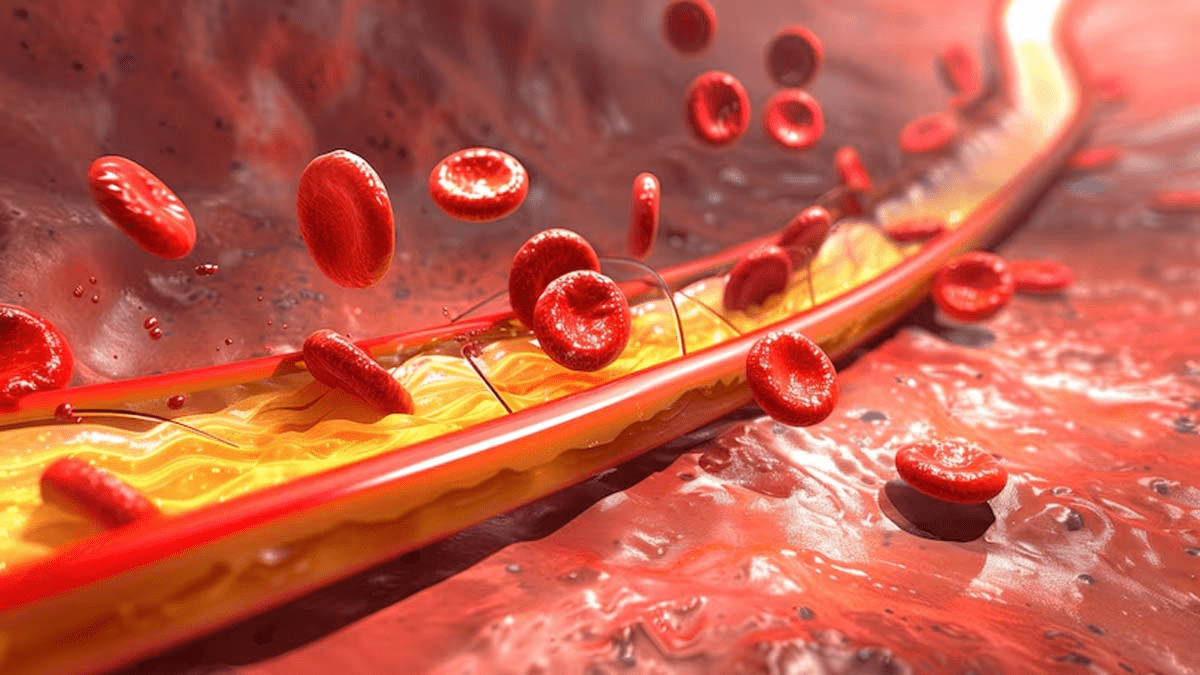
How to Use Them Safely
| Step | Recommendation | Why It Matters |
|---|---|---|
| 1 | Get tested for deficiencies | Identifies which vitamins you truly need |
| 2 | Choose food first, supplements second | Natural absorption is often better |
| 3 | Follow dosage guidelines | Avoids unnecessary megadoses |
| 4 | Combine with a balanced diet and activity | Maximizes circulation benefits |
| 5 | Consult your healthcare provider | Ensures compatibility with medications |
The Turning Point: Small Steps, Big Results
You might be thinking: Can seven vitamins really make that much difference?
Here’s the truth — it’s not magic. It’s biology. When your arteries are nourished, your body runs smoother.
Imagine taking a short walk without feeling winded. Or sleeping deeply because your heart doesn’t have to work overtime. Those moments matter.
As one researcher put it, “Blood flow is life flow.” The better it moves, the better you feel.
So, What Should You Do Next?
Start today — not tomorrow. Add one heart-healthy food to your plate. Take that walk. Open the blinds for sunlight.
Because your arteries won’t wait.
And remember: even small shifts can lead to noticeable improvements over time.
Bottom line:
These seven vitamins may support your arteries’ natural ability to stay clear and flexible. They’re not a cure — but they could be a catalyst.
Don’t wait for warning signs. Give your heart the nutrition it’s been asking for.
This article is for informational purposes only and is not a substitute for professional medical advice. Always consult your healthcare provider before making changes to your diet or supplement routine.
Nhận xét
Đăng nhận xét