Have you ever felt tired for no clear reason? Maybe your skin looks dull, your digestion feels off, or you wake up groggy no matter how long you sleep. You might shrug it off as “just aging.” But what if your liver—the quiet hero keeping your body clean—is crying for help?
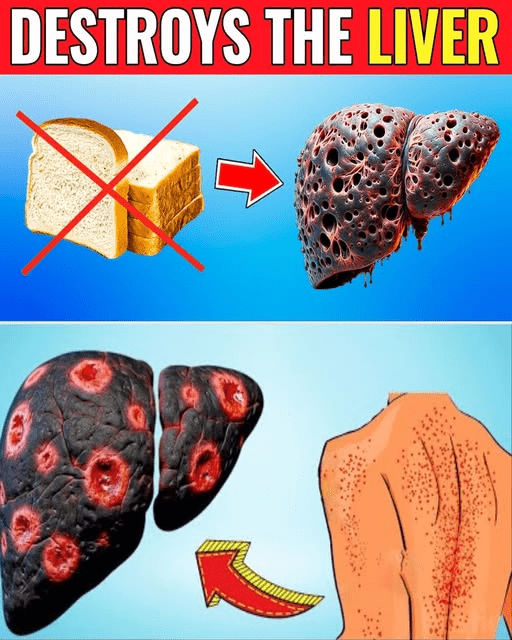
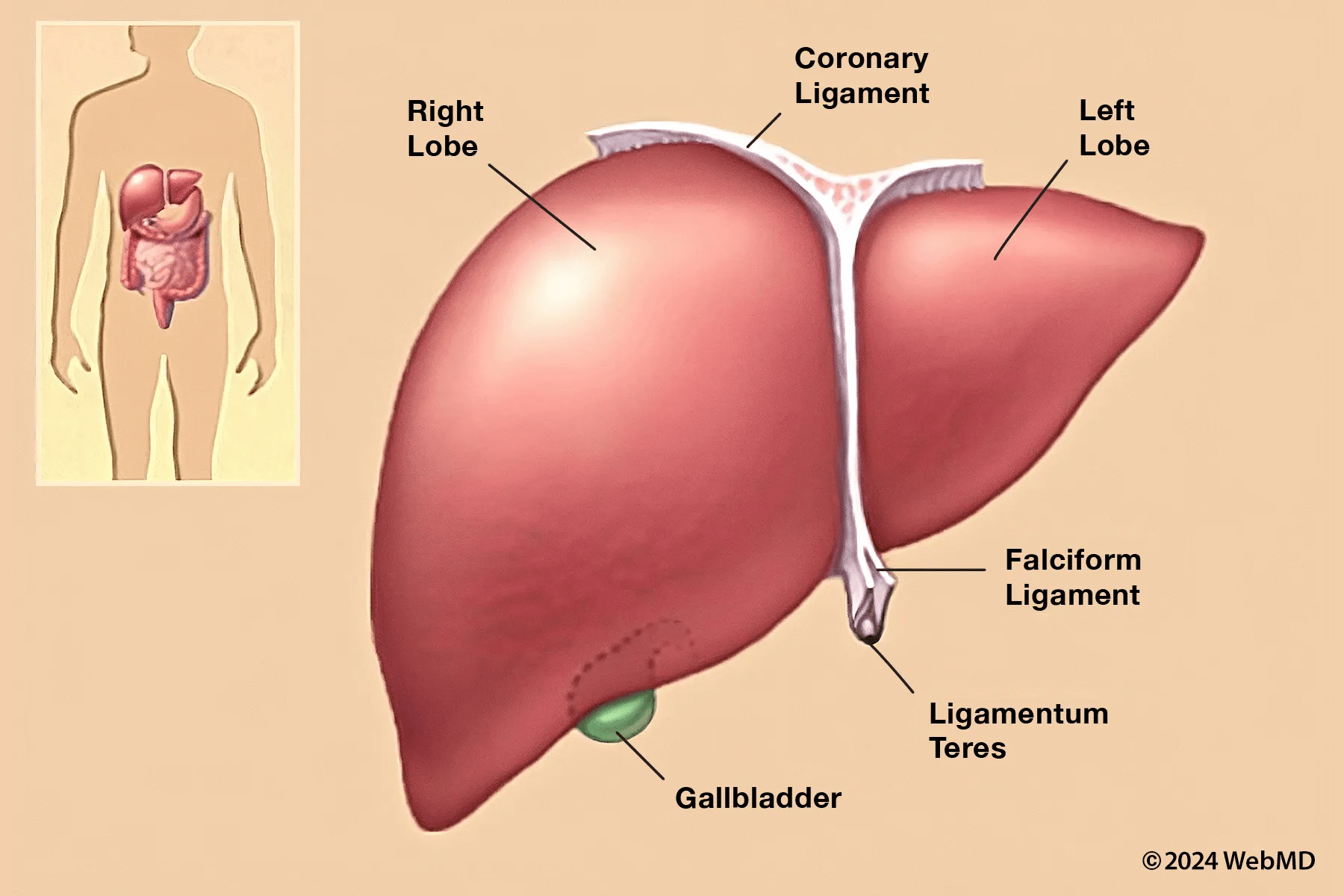
Every day, your liver filters over a quart of blood every minute. It detoxifies chemicals, processes food, and regulates energy. Yet, without you realizing it, modern habits and hidden ingredients may be silently overloading this vital organ.
And the scariest part? Many of these liver “poisons” are found in things we use or eat daily—things we’re told are safe.
Stay with me, because what you’ll learn here could help you protect one of your body’s most essential organs before it’s too late.
The Silent Organ That Keeps You Alive
Your liver doesn’t complain—until it’s already overwhelmed. Unlike your skin or stomach, it can’t “tell” you directly when something’s wrong. That’s why fatigue, bloating, and brain fog often go unnoticed.
By the time symptoms appear, your liver may already be fighting inflammation, fat buildup, or toxin overload. And here’s the shocker: nearly 1 in 4 adults over 50 shows early signs of fatty liver disease, often without knowing it.
So what’s behind this hidden epidemic? Let’s uncover the 10 biggest culprits quietly damaging your liver.
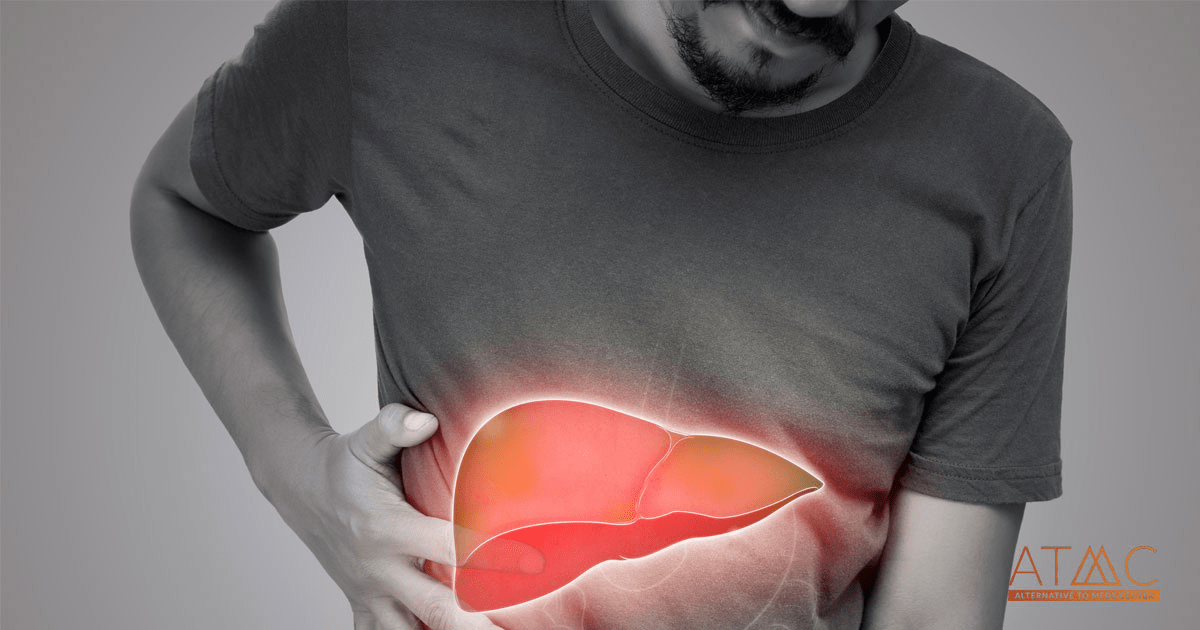
10 Poisons That Could Be Hurting Your Liver
10. Processed Sugars and High-Fructose Corn Syrup
You already know sugar is bad—but what it does to your liver might surprise you. When you consume too much, especially fructose, your liver converts it into fat. Over time, that can lead to fatty liver, insulin resistance, and even liver inflammation.
Story:
Carla, 58, thought she was eating healthy by drinking fruit smoothies. But she was consuming over 70 grams of sugar daily. After cutting back, her fatigue eased and her doctor noticed her liver enzymes improved.
Tip: Choose whole fruits, not juices. Limit added sugars to less than 25 grams a day.
9. Alcohol—Even “Just One Glass”
You’ve heard it before, but here’s the truth: alcohol—even in moderation—forces your liver to work overtime. It prioritizes metabolizing alcohol over everything else, delaying toxin removal. Over time, this can cause fat accumulation and scarring.
Surprise: Studies show that women over 50 may be more sensitive to alcohol-related liver damage than men.
8. Over-the-Counter Painkillers (Especially Acetaminophen)
You might reach for painkillers for a headache or back pain, but these can quietly overload your liver. High or frequent doses of acetaminophen (Tylenol) are one of the leading causes of acute liver failure in the U.S.
You might be thinking: “I only take the recommended dose.”
But combining painkillers with alcohol—or even taking multiple medications that include acetaminophen—can magnify the danger.
7. Hidden Fat in Fast Food
Fatty meals aren’t just bad for your waistline—they can clog your liver. Saturated and trans fats from fried or processed foods promote inflammation and fatty deposits that strain liver cells.
Case study:
Tom, 64, switched from fast food lunches to homemade salads with olive oil. Within months, his liver enzyme tests showed marked improvement. “I didn’t realize how much my liver was struggling,” he says.
6. Herbal or “Detox” Supplements
Ironically, some supplements marketed as “liver cleansers” can do the opposite. Ingredients like green tea extract, kava, or high-dose vitamin A may cause toxicity when taken in excess.
Advice: Always consult your healthcare provider before starting supplements. Natural doesn’t always mean safe.
5. Processed Meats and Preservatives
Bacon, sausages, and deli meats often contain nitrates and additives that can stress your liver. When these compounds break down, they may produce harmful byproducts that promote oxidative stress.
Alternative: Replace processed meats with lean protein like chicken, beans, or salmon.
4. Artificial Sweeteners
They promise “zero calories,” but certain sweeteners like aspartame and sucralose may interfere with the gut microbiome—key to liver health. Some studies suggest they could disrupt insulin signaling, indirectly impacting fat metabolism in the liver.
Little-known fact: Gut health and liver health are deeply connected. A struggling microbiome means more toxins reach your liver.
3. Soft Drinks and Energy Drinks
These colorful cans hide a dangerous combo: sugar, caffeine, and chemicals. Frequent consumption can overload your liver, especially when combined with alcohol or fatty foods.
Energy drinks often contain niacin (vitamin B3) in high doses. While beneficial in small amounts, excessive niacin can cause liver inflammation.
2. Environmental Toxins (Cleaning Agents, Sprays, and Plastics)
You might not drink them—but you inhale or absorb them daily. Chemical cleaners, aerosols, and plasticizers (like BPA) can enter the bloodstream through your skin or lungs, adding to your liver’s detox load.
Tip: Switch to eco-friendly cleaning products and avoid microwaving food in plastic containers.
1. Sleep Deprivation and Chronic Stress
You read that right. Poor sleep and chronic stress can disrupt hormones and increase inflammatory markers that burden your liver. Without rest, your body struggles to repair and detoxify efficiently.
Think about it: When was the last time you slept 8 full hours?
But here’s the hopeful part—your liver is remarkably resilient. With the right habits, it can begin to repair itself.
Case Study #2: “I Thought I Needed Medicine—Turns Out I Needed a Reset”
Diane, 70, was told she had elevated liver enzymes. “I panicked,” she says. But after learning about liver stressors, she made simple changes—cutting sugary drinks, switching to olive oil, and prioritizing rest.
“Six months later, my doctor smiled and said, ‘Keep doing what you’re doing.’”
Her secret? She supported her liver naturally by removing toxins instead of adding more.
Comparing Everyday Choices
| Habit | Harmful Impact | Safer Alternative | Benefit |
|---|---|---|---|
| Sugary drinks | Fatty liver risk | Infused water or herbal tea | Hydration, detox support |
| Painkillers daily | Liver enzyme overload | Heat therapy, gentle exercise | Natural pain relief |
| Processed foods | Inflammation | Whole foods | Steadier energy |
| Lack of sleep | Hormonal stress | 7–8 hours of rest | Cellular repair and detox |
How to Support Your Liver Starting Today
| Step | Action | Why It Matters |
|---|---|---|
| 1 | Eat fiber-rich foods (veggies, oats, apples) | Helps flush toxins |
| 2 | Stay hydrated with water and lemon | Aids detox pathways |
| 3 | Cut back on alcohol and sugary drinks | Reduces fat buildup |
| 4 | Get regular movement | Improves circulation and fat metabolism |
| 5 | Sleep well | Allows natural liver regeneration |
And don’t underestimate the power of simple consistency. Your liver can start improving within weeks when supported properly.
You Might Be Thinking…
“But my doctor never mentioned liver problems.”
That’s common—many liver issues develop silently. Regular check-ups, a balanced diet, and awareness of these hidden toxins can make all the difference.
And here’s something most people don’t know: your liver has one of the greatest healing capacities of any organ. Give it the right care, and it can often regenerate even after years of strain.
The Takeaway
Your liver works harder than any detox tea or supplement ever could. Protect it by removing the poisons, not by adding quick fixes.
If you do just three things starting today:
- Cut down on added sugars.
- Avoid unnecessary medications or alcohol combinations.
- Sleep like your life depends on it—because it does.
Your energy, mood, and clarity will thank you.
Final Thought
We spend fortunes trying to look younger, feel lighter, and stay energetic—but the real secret lies in caring for the organ that quietly makes it all possible.
So next time you reach for that “harmless” soda or pill, pause. Ask yourself—is it worth the stress on my liver?
P.S. A morning ritual of warm water with lemon or a handful of berries can gently support liver function. Small steps, big impact.
This article is for informational purposes only and does not replace professional medical advice. Always consult your healthcare provider before making changes to your diet or supplement routine.
Nhận xét
Đăng nhận xét